Speaking at the first Three.js Conference, in Paris
· 3 min read · three.js, conference, tsl, webgpu, talks
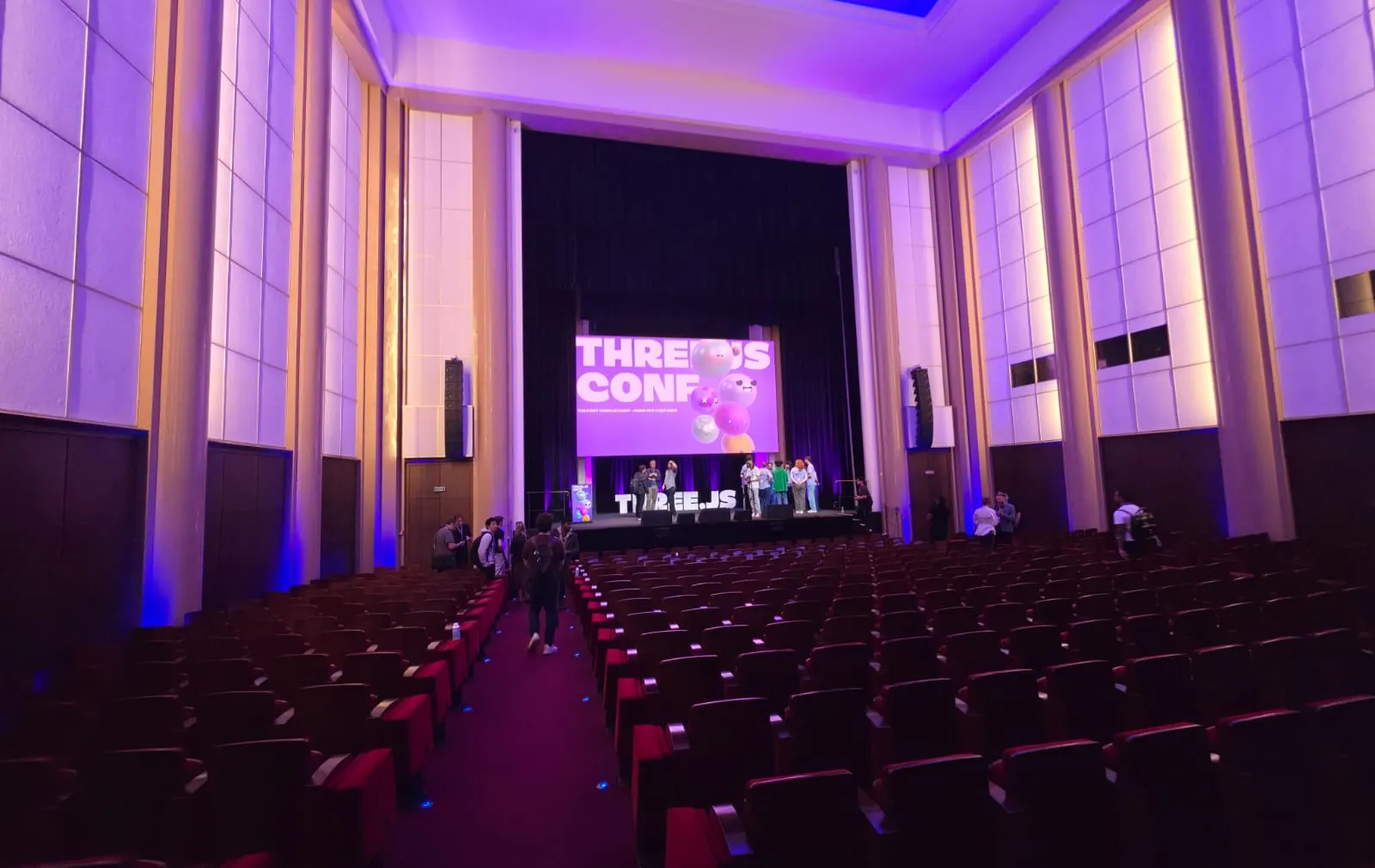
In September 2026 I spent four days in Paris: a two-day workshop on TSL with Sunag, the creator of TSL, on September 8 and 9, followed by the first Three.js Conference on September 10 and 11, where I gave a talk. This post is what I taught, what I presented and where the video is.
Why this one mattered to me #
Three.js has become my world. I like 3D modeling, and rendering realistic models in the browser is amazing and a lot of fun. I had hoped for a day when great talents would be gathered in one place, so I could meet everyone, see their techniques and thank them in person.
The organizers announced the lineup in August, and my session was described as a deep dive into practical real-time 3D techniques and workflows that designers and developers can apply to their own projects.
The talk #
I presented on the second day of the conference, and the talk was about WebGPU Archiviz, an architecture visualization that stays under 6 MB. Codrops' coverage of the conference summarizes it: how to approach an ambitious WebGPU experience under a strict technical budget, using techniques borrowed from games, such as octahedral impostors to render large numbers of trees efficiently.
The message, as Codrops put it: start with the visual goal, set your technical limits early, and keep finding creative ways around them.
The full talk is on YouTube, 47 minutes, with chapters:
| Time | Chapter |
|---|---|
| 0:00 | Introduction and background |
| 1:24 | Project concept and goals |
| 6:57 | References and 3D modeling |
| 11:46 | Performance and technical budget |
| 17:13 | Optimizing tree rendering |
| 21:46 | Color balancing and materials |
| 25:05 | Post-processing and occlusion |
| 34:52 | UI, UX, and final project |
| 37:15 | Key takeaways and conclusion |
The TSL workshop #
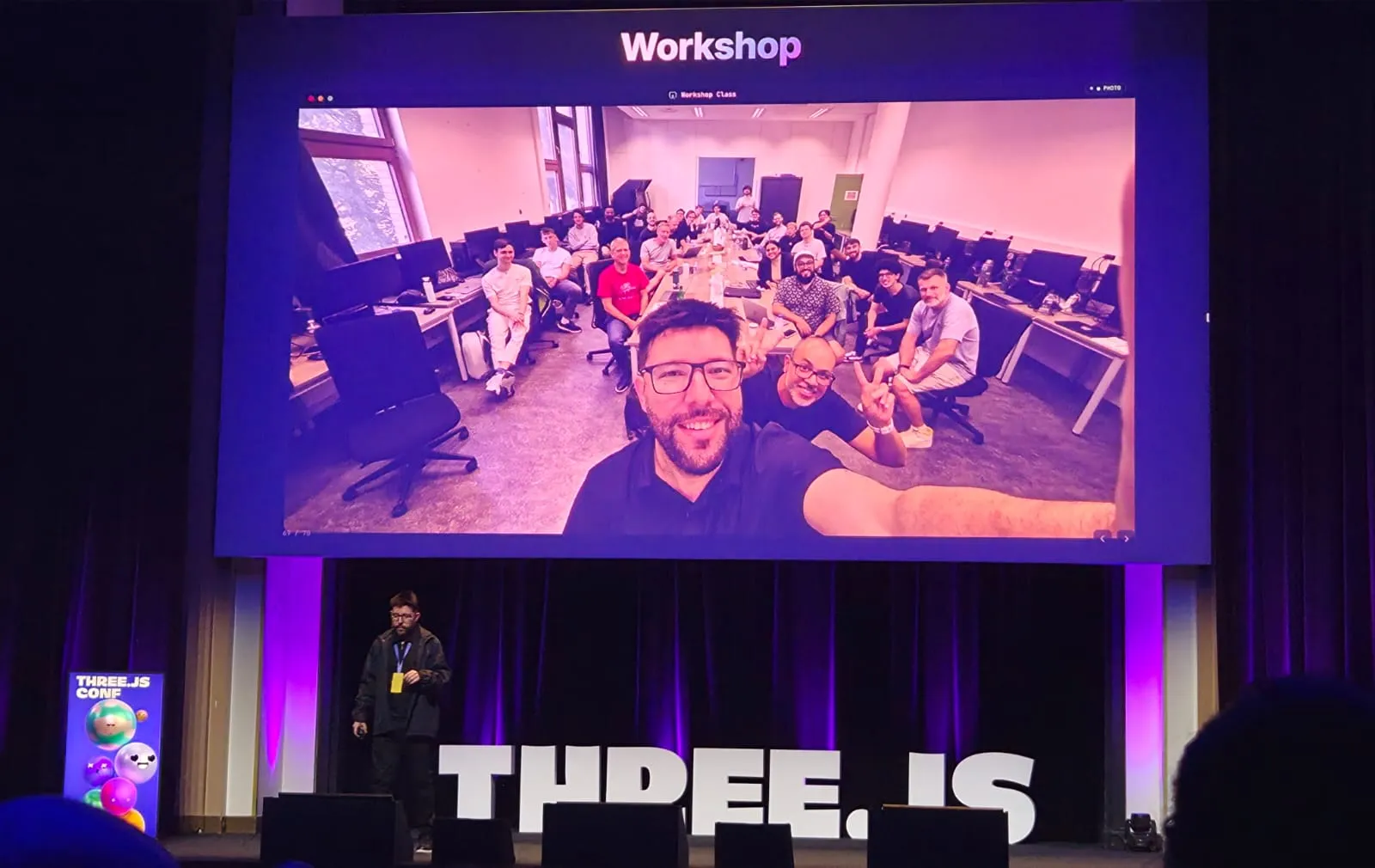
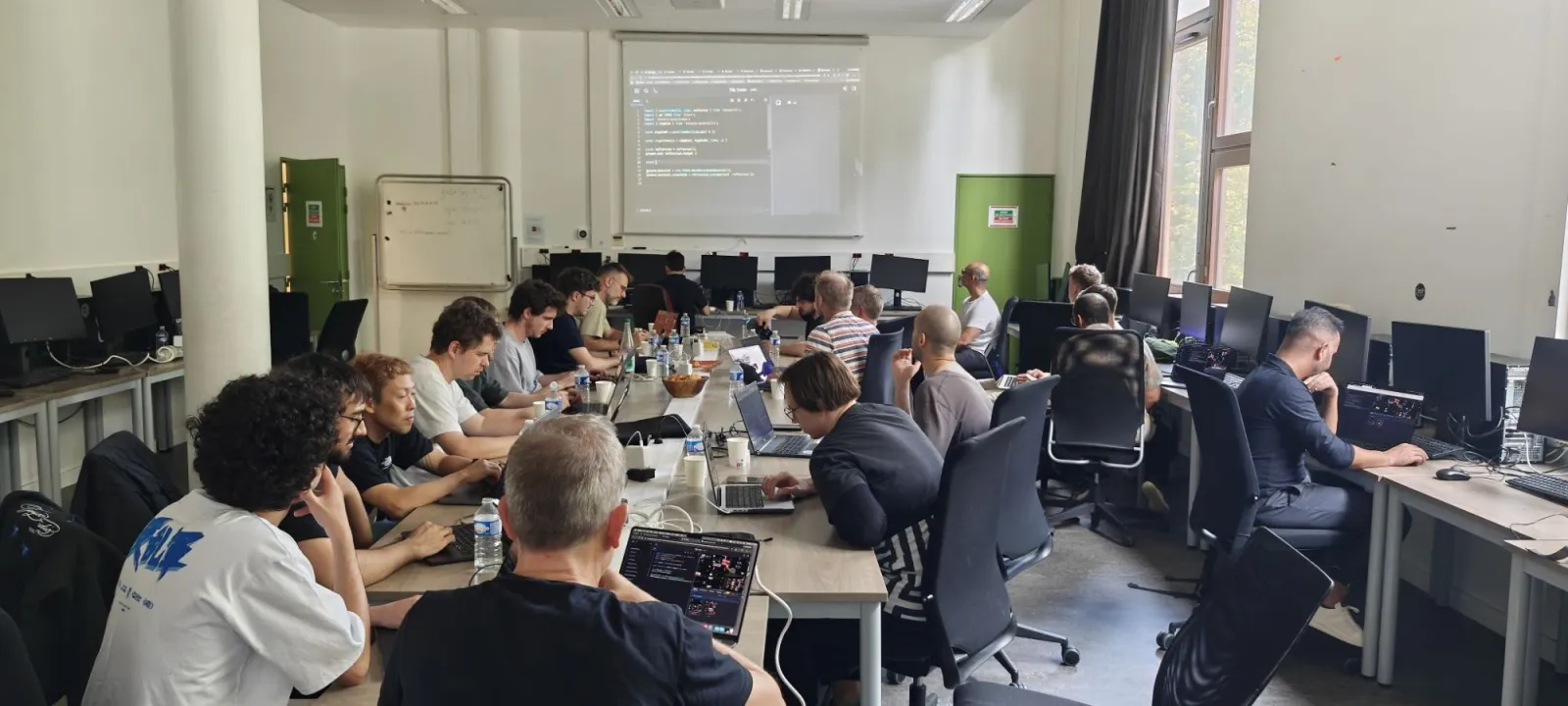
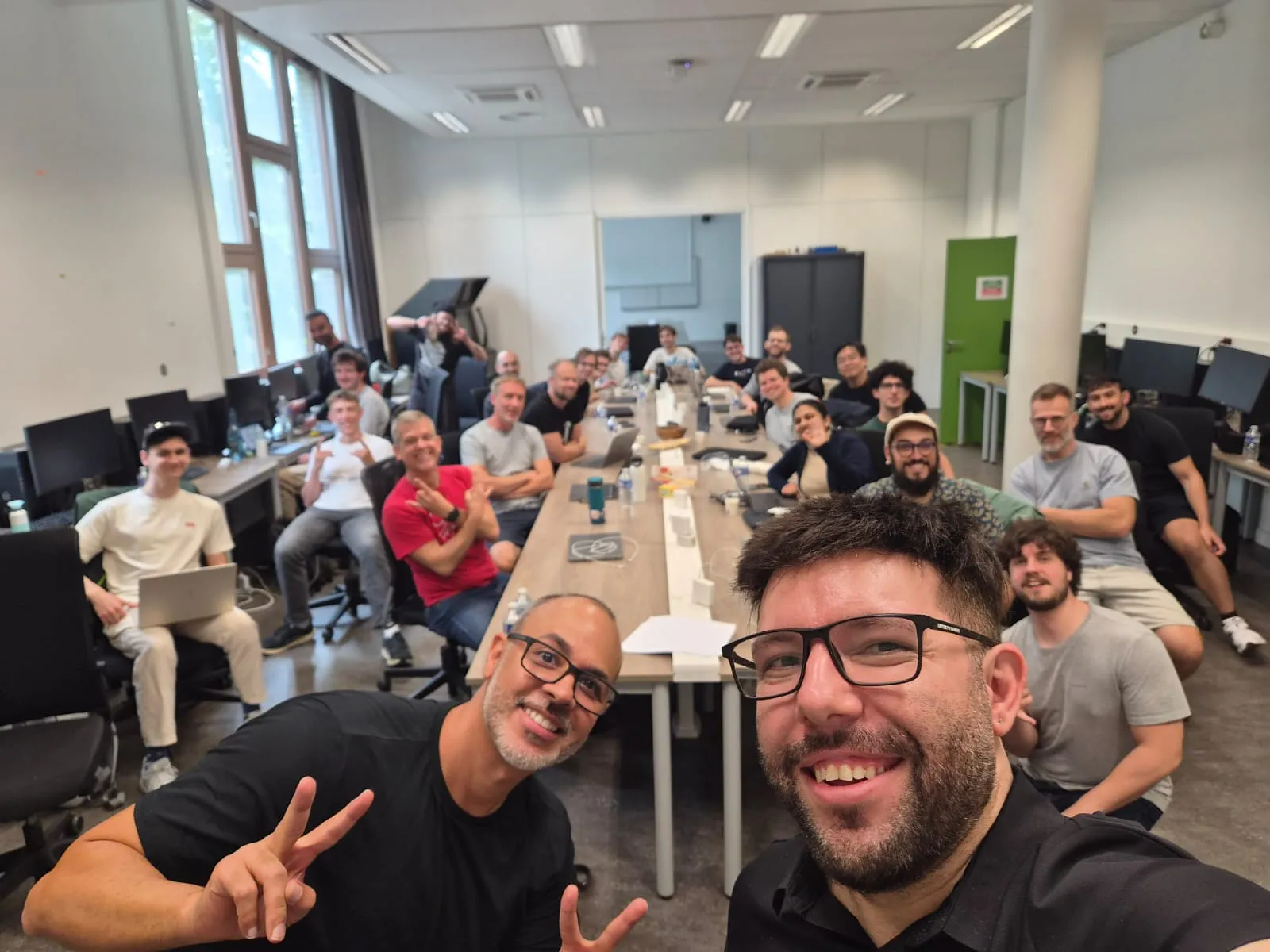
The workshop ran for two days, eight hours each, for more than 30 people, with Sunag, the creator of TSL, the Three Shading Language: a composable node system that brings GPU logic into JavaScript and connects materials, post-processing and compute.
The material was the Threejs-Punk game, together with the TSL Guide, which is now published on the Three.js website.
I wrote about how that game works in the Threejs-Punk post.
What I took from the two days #
Some of the things the Codrops coverage captured that I also keep thinking about:
- TSL is the direction. Sunag's talk on the future of Three.js shaders, and the Poimandres talk about preparing React Three Fiber for the WebGPU and TSL era, pointed the same way.
- Constraints are a design tool. Several talks showed that many seemingly complex effects are built from simple tricks: baked information, packed textures, optimized geometry.
- AI changes the level of abstraction, not the need to understand. Mr.doob's talk and the two AI panels kept coming back to curiosity and fundamentals.
The people #
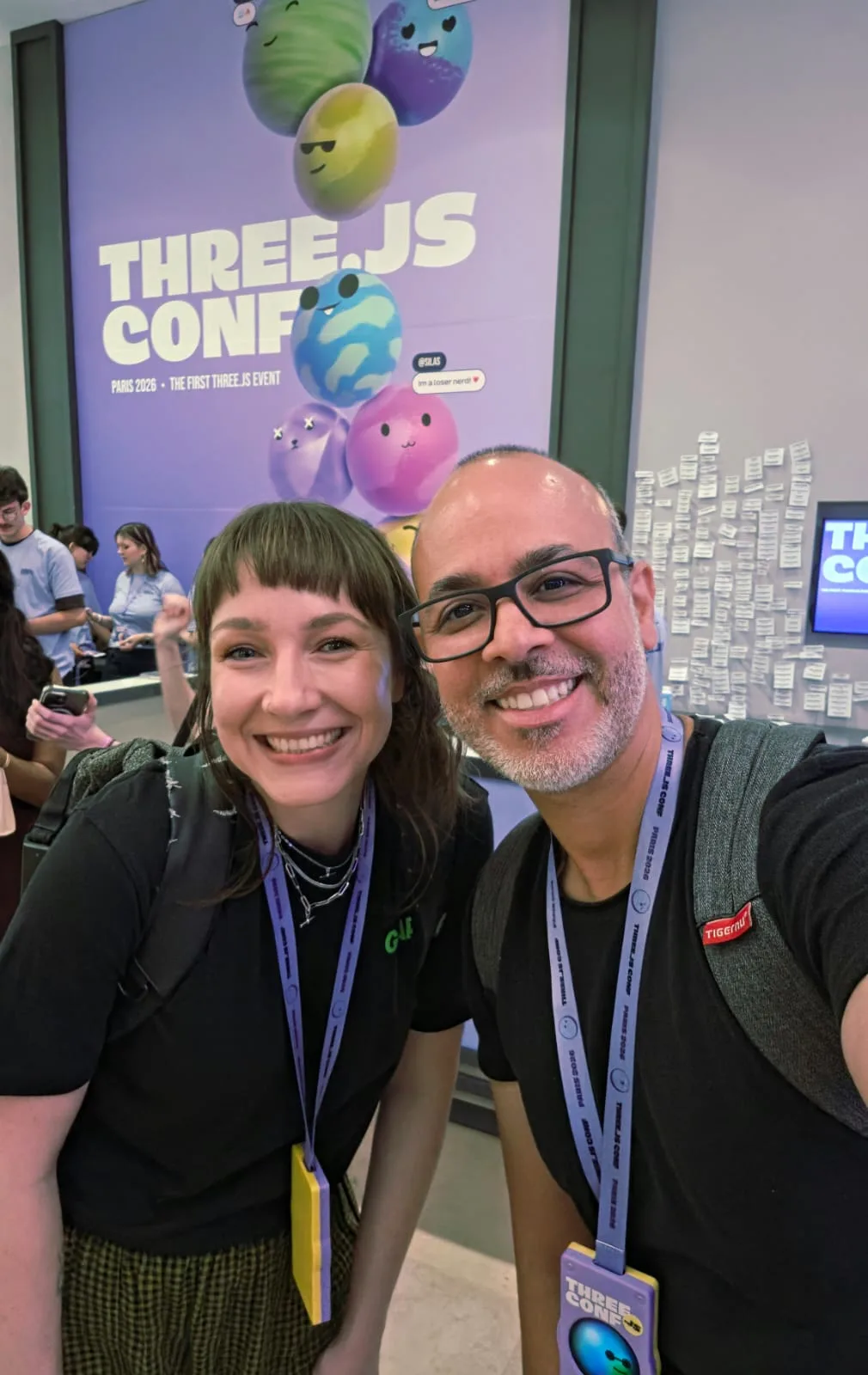
The best part of a first edition is that everyone is meeting for the first time. I got to spend time with Mr.doob, the creator of Three.js, which still feels a little unreal to write.


Thank you #
Thank you to everyone who took part in the workshop, to the speakers and organizers of the conference, and to Sunag for the workshop and for making TSL what it is.
If you watch the talk and want to talk about any of it, you can find me through the links on this site.
Related projects
- WebGPU Archiviz — 6MB Architecture Visualization
- Octahedral Impostors — WebGPU direction-atlas impostors for cheap distant meshes
- Threejs-Punk — Fully featured Racing Game